 | |||
Cost of Living and RetirementOctober 28, 2024 | |||
If you’re getting close to retirement or already there, building a solid portfolio is key to enjoying a long and happy retirement. Lately, with inflation being a real challenge, many retirees worry about running out of money. The past few years have thrown some curveballs at retirement planning, like high inflation and unpredictable markets. Even though stocks have bounced back to new highs and bond yields are looking decent, retirees might still feel anxious about whether their savings will keep up. The 2.5% Social Security adjustment reflects slowing inflation
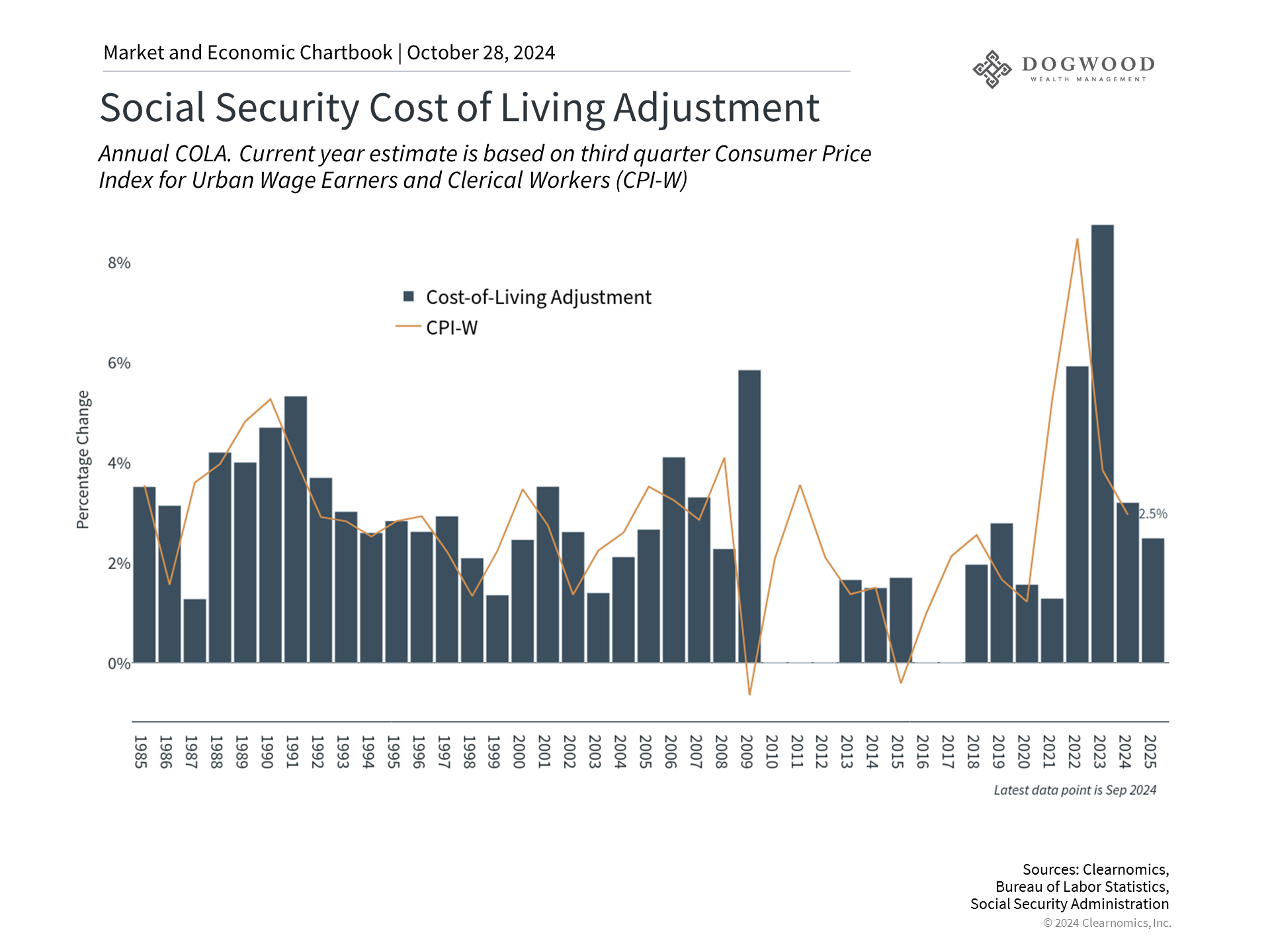
A lot of worries these days come from things we can’t control, like the presidential election, Fed rate cuts, and market valuations. But while we can’t change those events, we can control how we react. History shows that having a solid financial plan that can adapt to changes, along with good financial advice, is the best way to reduce retirement risks. So, how can retirees keep their peace of mind and quality of life in today’s tough environment? Inflation is a biggie when it comes to retirement planning. Rising prices eat away at the buying power of your savings, making future planning tougher. To help with this, the government adjusts things every year. Recently, the Social Security Administration announced a 2.5% Cost-of-Living Adjustment (COLA) for 2025, which will help over 72.5 million Americans who get Social Security and Supplemental Security benefits. While any increase is good, this 2.5% is actually lower than what we've seen in the past few years—like the big 8.7% boost in 2022, which was the largest since 1981. That jump was a response to the fast price hikes after the pandemic, driven by supply chain issues and government stimulus. The cost-of-living adjustment tries to reflect how inflation affects working-class Americans, based on the CPI-W index for those in clerical or wage jobs. The smaller adjustment for 2025 shows that inflation has slowed down a lot since 2022. But it’s tough to create a one-size-fits-all solution since everyone’s needs are different, especially with rising housing and healthcare costs. That’s why it’s super important for investors to have a portfolio that meets their needs during retirement, especially as people are living longer. If you’ve got years or even decades until retirement, this really emphasizes the need to save and invest early to keep your purchasing power strong over time. Withdrawal rates depend on market conditions
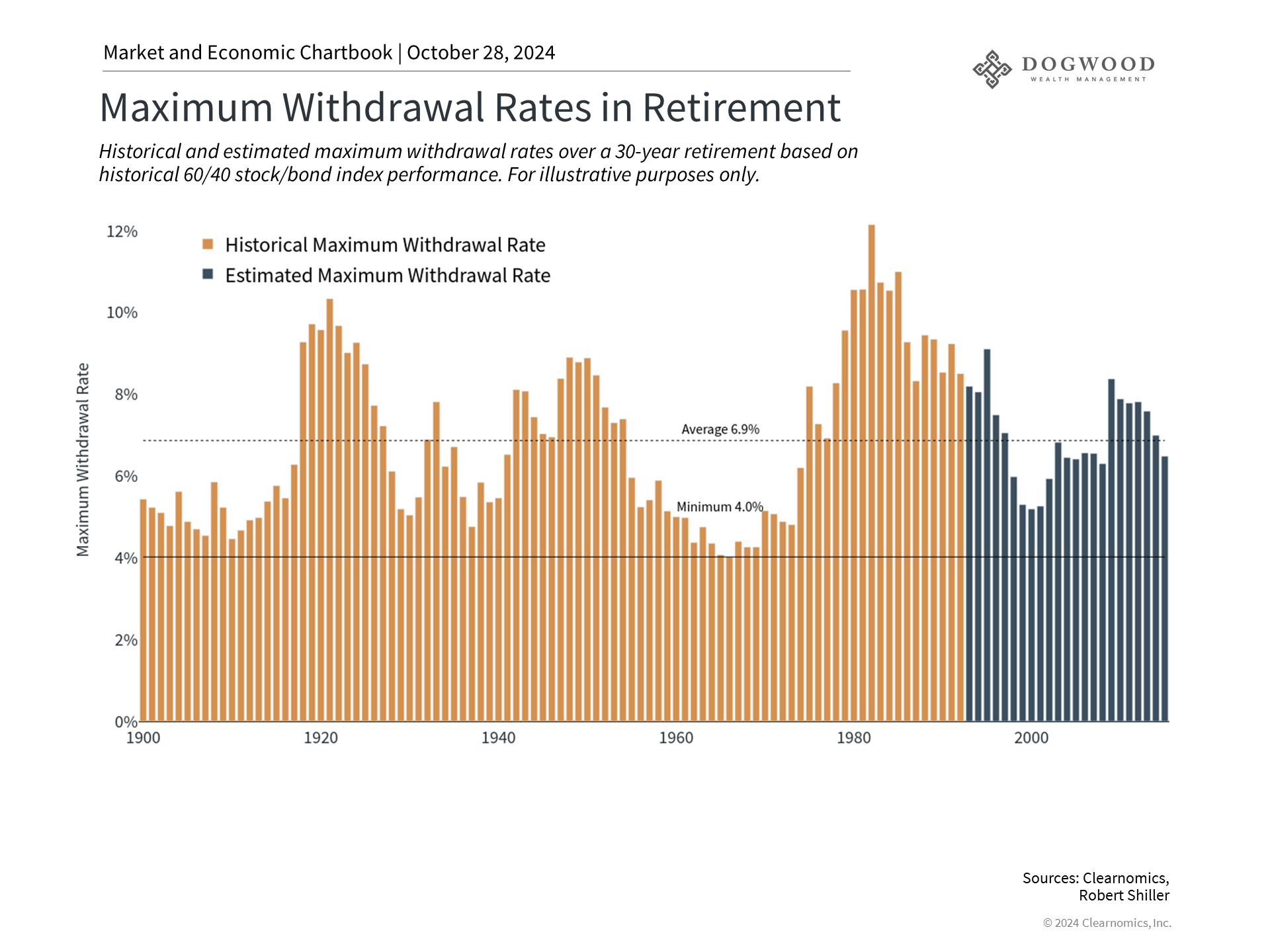
Another big thing to think about for keeping your purchasing power and quality of life in retirement is figuring out how much you can safely withdraw from your portfolio. One popular guideline is the "4% rule." This idea, brought up by William Bengen, suggests that if you take out about 4% a year from your portfolio, you should be fine for about 30 years, even with inflation in the mix. That’s why it’s also called the "SAFEMAX rate." The chart that goes with this shows historical "safe" withdrawal rates based on a typical 60/40 stock and bond portfolio over 30-year spans, plus some recent estimates. Interestingly, the max safe withdrawal rate only dropped to 4% once, back in the 1960s. But these rates can really change from year to year, which makes sense given how wildly markets can swing. It’s super important to stick to your investment plan over the long haul. If investors panic and sell off during short-term dips, they might miss out on the recovery and end up hurting their withdrawal rates later. Plus, this analysis is pretty basic and doesn’t take into account personal differences in how people build their portfolios or their comfort with risk, which are really important in real-life planning. For many retirees, a 60/40 portfolio might actually feel a bit risky, especially as they get older. The good news? Even with all the market ups and downs lately, “safe” withdrawal rates still look pretty solid. The stock market bounced back quickly after the dips in 2020 and 2022, and bonds have been doing better recently too. So, making sure you have the right mix of assets for growth and income is super important for everyone, especially retirees. Longevity risk has increased as life expectancies grow
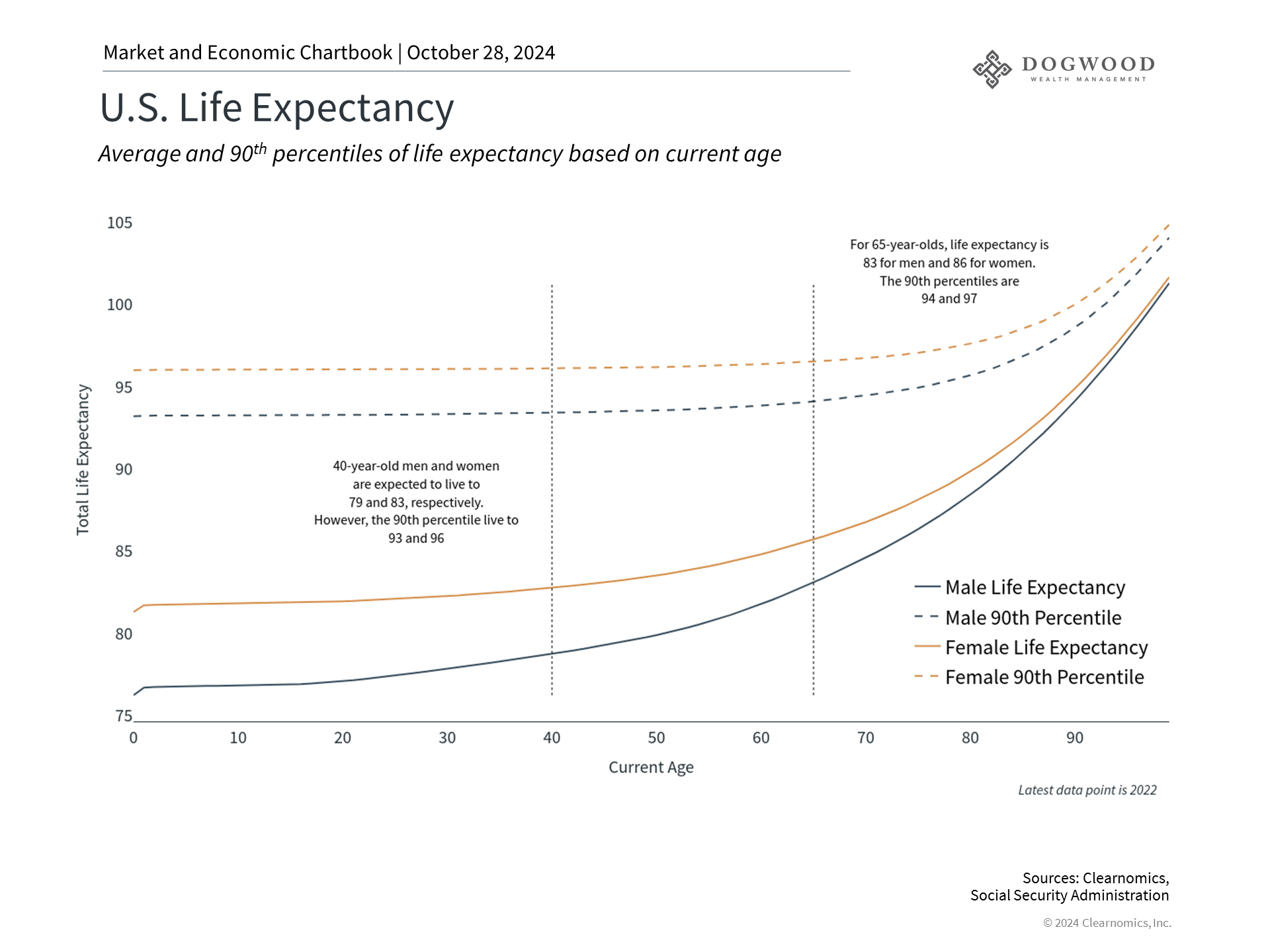
Simple rules like the 4% rule don’t really take into account how life expectancies are going up. According to the Social Security Administration, a 40-year-old today can expect to live to about 79 for men and 83 for women. And those in the 90th percentile might live well into their 90s! For folks who are 65, the averages are around 83 for men and 86 for women, with some living to 94 and 97 if they’re in the 90th percentile. That extra decade or more—like retiring for 20 years versus 30 years—can really change how you need to manage your investments and financial plans. While it’s great that people are living longer and healthier lives, it also brings some financial challenges, known as “longevity risk.” Basically, running out of money is usually a bigger worry for most families than leaving some behind for loved ones or charities. So, considering life expectancy is super important when planning your finances. This is another reason why getting professional financial advice can really help. Retirees need portfolios that not only bring in income but also have some growth to keep up with their quality of life over the years. In short, while inflation is slowing down, costs are still high. So, both retirees and those planning for retirement need portfolios that can provide both income and growth. As life expectancies keep rising, having a portfolio that supports a long and fulfilling retirement is more crucial than ever. | |||
Dogwood Wealth Management, LLC. ("Dogwood") is a Registered Investment Advisor ("RIA") with the U.S. Securities and Exchange Commission (“SEC”). Dogwood provides investment advisory and related services for clients nationally. Dogwood will maintain all applicable registrations, notice filings, and licenses as required by the various states in which Dogwood conducts business, as applicable. Dogwood renders individualized responses to persons in a particular state only after complying with all regulatory requirements, or pursuant to an applicable state exemption or exclusion. |

Cost of Living and Retirement